AI/ML • Medical Imaging • HealthTech
AI-driven neuroimaging researcher with high-impact publications and patents, committed to turning AI breakthroughs into real-world healthcare solutions.
About
Dr. Yan is a Senior Research Scientist at Stony Brook University, where he develops advanced artificial intelligence and machine learning methods for biomarker discovery, disease subtyping, and precision psychiatry using multimodal neuroimaging data, including MRI, PET, and EEG.
Dr. Yan received his Ph.D. in Pattern Recognition and Intelligent Systems from the Institute of Automation, Chinese Academy of Sciences, in 2020 and completed his postdoctoral training at the National Institutes of Health (2022 -2025) and the TReNDS Center (2021-2022). His research has been published in leading journals and presented at major conferences, including IEEE Signal Processing Magazine, Biological Psychiatry, EBioMedicine, IEEE Transactions on Biomedical Engineering, Journal of Neuroscience, and MICCAI.
Experiences

Senior Research Scientist — Stony Brook Medicine

Postdoctoral Fellow — National Institutes of Health
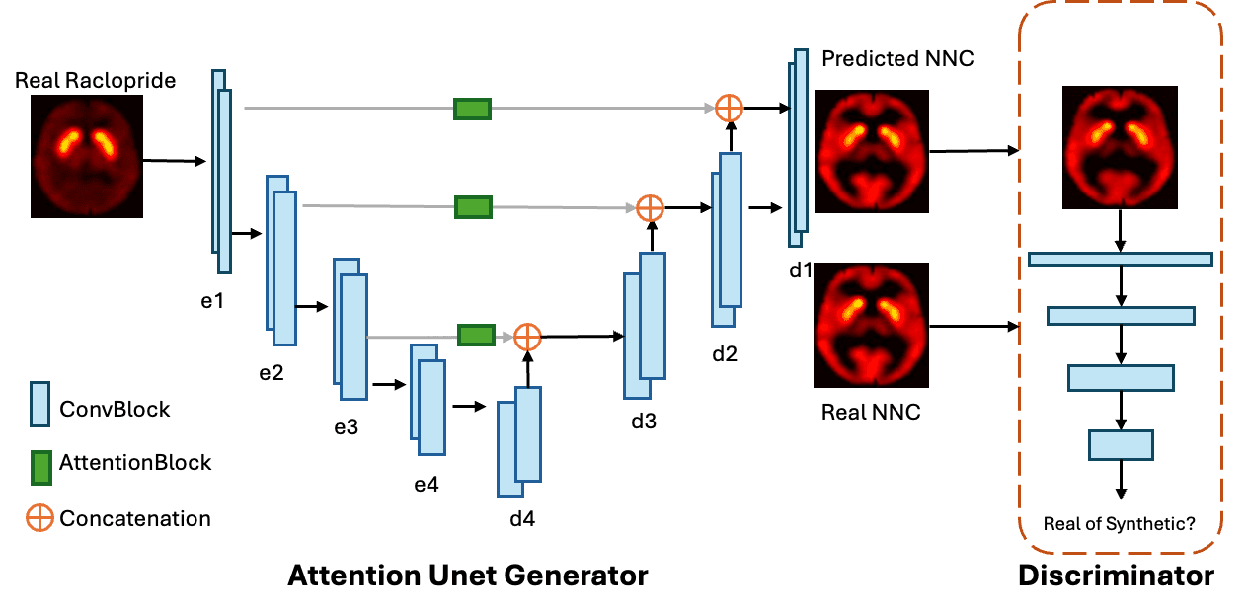
- Led a cross-radiotracer project by developing deep generative and interpretable AI models for multi-tracer PET image synthesis, leveraging GPU-based NIH High-performance computing (HPC) systems for large-scale neuroimaging analysis.
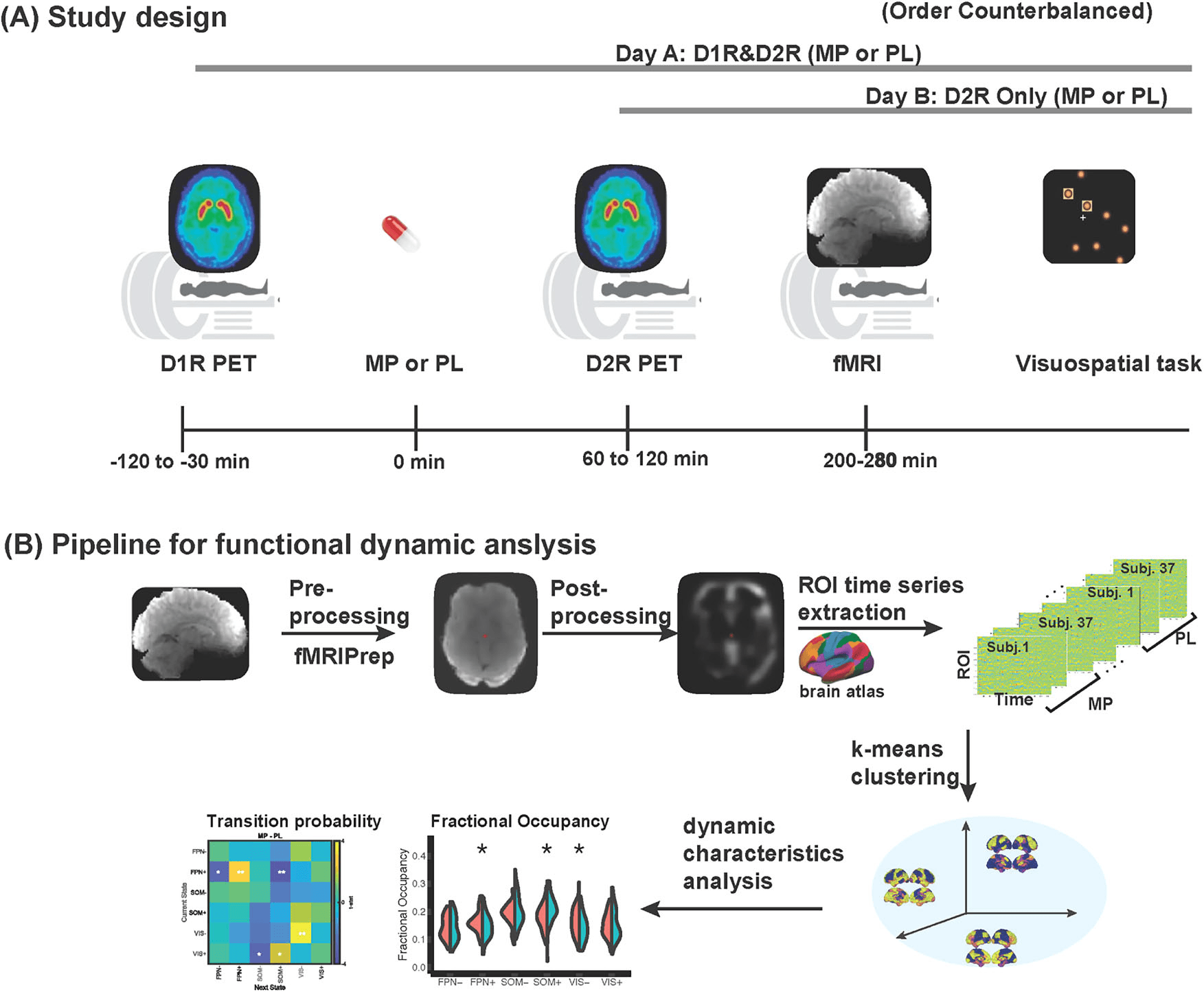
- Led a multimodal neuroimaging project integrating MRI, PET, and behavioral data to study drug-induced brain dynamics.
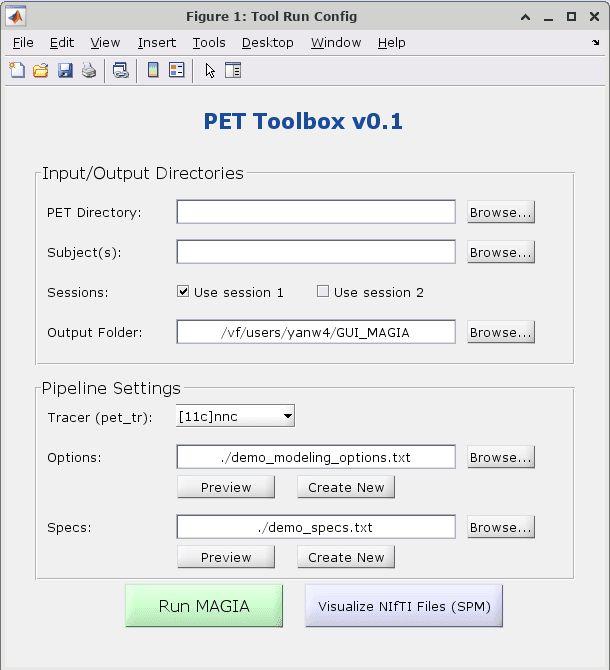
- Independently developed and deployed a GUI-based PET kinetic modeling toolbox, streamlining data processing and enabling efficient large-scale PET studies.
- Mentored postbaccalaureate fellows and interns in statistical programming (Python, R, MATLAB) and applied AI methods for biomedical research.

Postdoctoral Researcher — Tri-Institutional Center for Translational Research in Neuroimaging and Data Science (TReNDS)
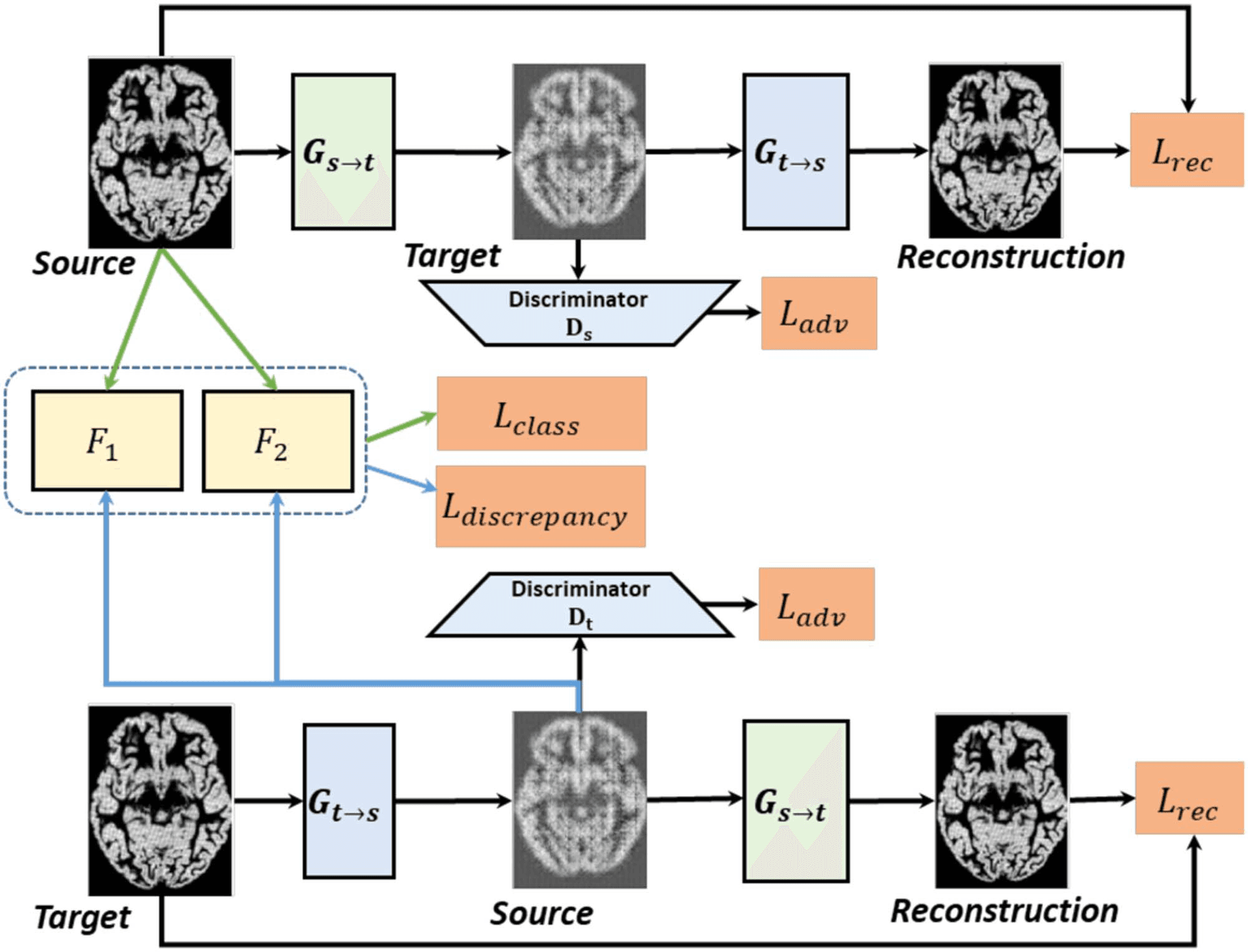
- Developed domain-adaptive generative adversarial network (GAN) frameworks for multi-site magnetic resonance imaging (MRI) data harmonization, with validation conducted on a large-scale cohort of 10,000+ scans.
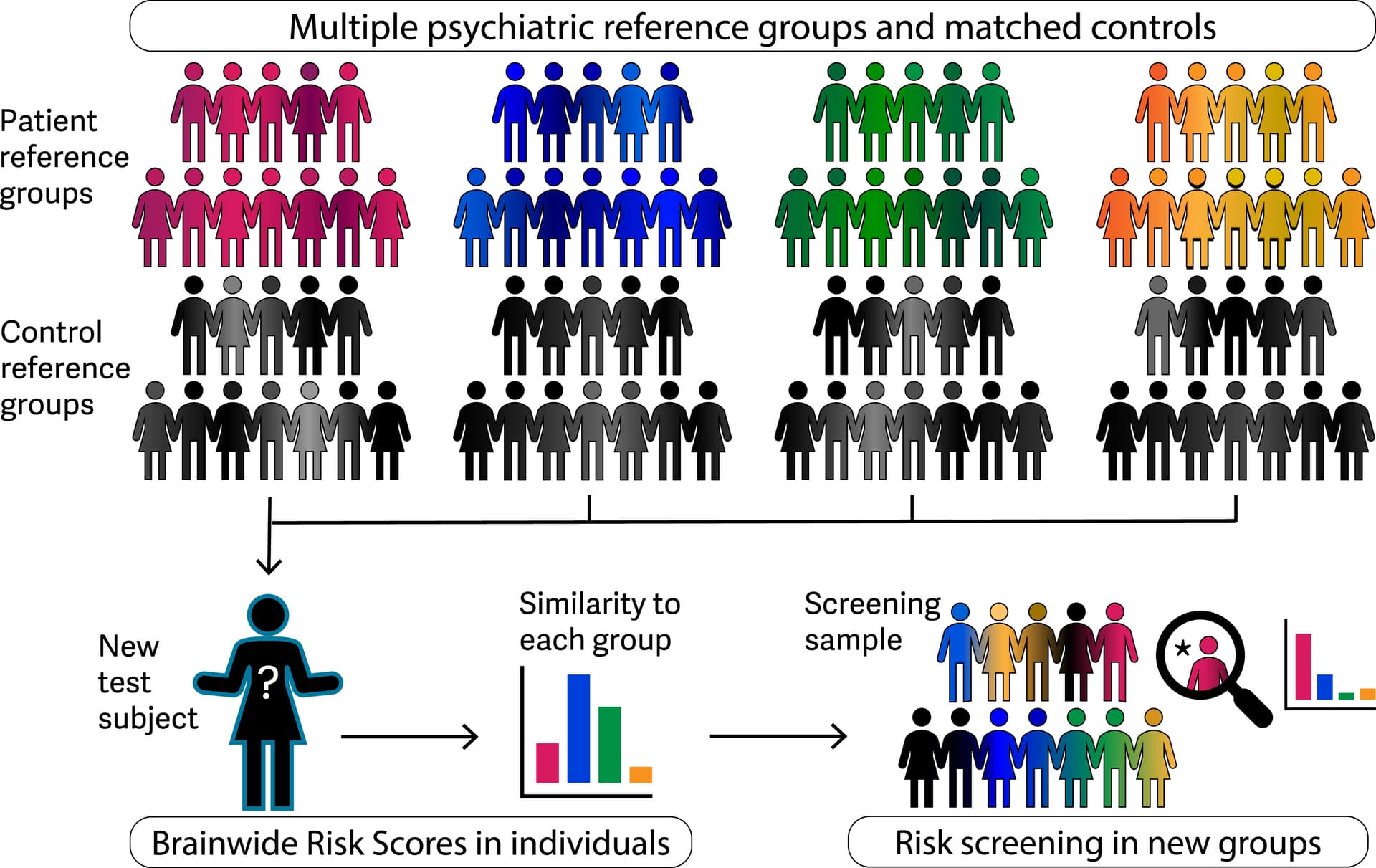
- Proposed and validated the Brain-Wide Risk Score (BRS), a data-driven predictive metric for quantifying psychiatric risk in adolescent populations.
- Developed interpretable deep learning pipelines for medical image classification, subtype clustering, and biomarker discovery in psychiatric disorders.
- Developed and deployed a AI-system for mental disorder diagnosis based on EEG.
Selected Projects
Publications & Patents (Chronological Order)
Book Chapters & Review Papers in AI/ML and Neuroimagingclick to expand
- 1.Deep learning-based approaches in MRI: From discriminative to generative (Chapter 8)Yan, W.The Chronnectome: Mapping the dynamics of brain function. Elsevier, in press
- 2.Deep learning in neuroimaging: Promises and challengesYan, W., Qu, G., Hu, W., Abrol, A., Cai, B., Qiao, C., Plis, S. M., Wang, Y. P., Sui, J., & Calhoun, V. D.IEEE Signal Processing Magazine, 2022
- 3.Brain imaging-based machine learning in autism spectrum disorder: methods and applicationsXu, M., Calhoun, V., Jiang, R., Yan, W., & Sui, J.Journal of Neuroscience Methods, 2021
AI/ML Methods for Classification, Subtype and Biomarker Discoveryclick to expand
- 1.MVF-XT: An interpretable multi-view fusion network based on cross-attention for fMRI analysisFan, X., Li, J., Huang, H., Li, G., Zhang, W., Hu, Y., Sun, W., Yan, W., Manza, P., Volkow, N. D., Wang, G.-J., & Zhang, Y.Neurocomputing, 2026
- 2.Multi-scale convolutional recurrent neural network for psychiatric disorder identification in resting-state EEGYan, W., Yu, L., Liu, D., Sui, J., Calhoun, V. D., & Lin, Z.Frontiers in Psychiatry, 2023
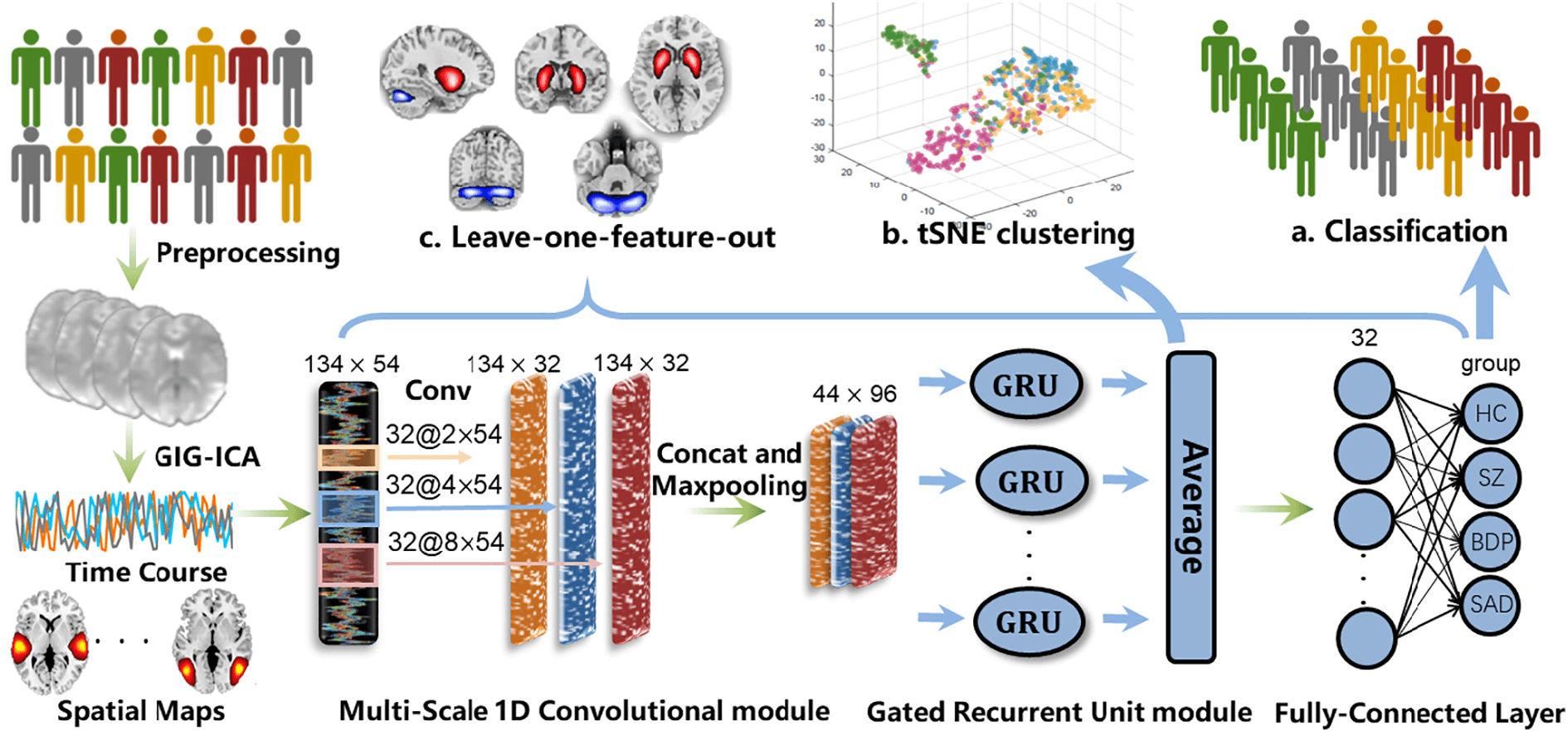
- 3.Mapping relationships among schizophrenia, bipolar and schizoaffective disorders: A deep classification and clustering framework using fMRI time seriesYan, W., Zhao, M., Fu, Z., Pearlson, G. D., Sui, J., & Calhoun, V. D.Schizophrenia Research, 2022
- 4.An attention-based hybrid deep learning framework integrating brain connectivity and activity of resting-state functional MRI dataZhao, M., Yan, W., Luo, N., Zhi, D., Fu, Z., Du, Y., Yu, S., Jiang, T., Calhoun, V. D., & Sui, J.Medical Image Analysis, 2022
- 5.An attention-based hybrid deep learning framework integrating temporal coherence and dynamics for discriminating schizophreniaZhao, M., Yan, W., Xu, R., Zhi, D., Jiang, R., Jiang, T., Calhoun, V. D., & Sui, J.IEEE ISBI, 2021
- 6.Functional network connectivity (FNC)-based GAN and its applications in classification of mental disordersZhao, J., Huang, J., Zhi, D., Yan, W., Ma, X., Yang, X., Li, X., Ke, Q., Jiang, T., Calhoun, V. D., & Sui, J.Journal of Neuroscience Methods, 2020
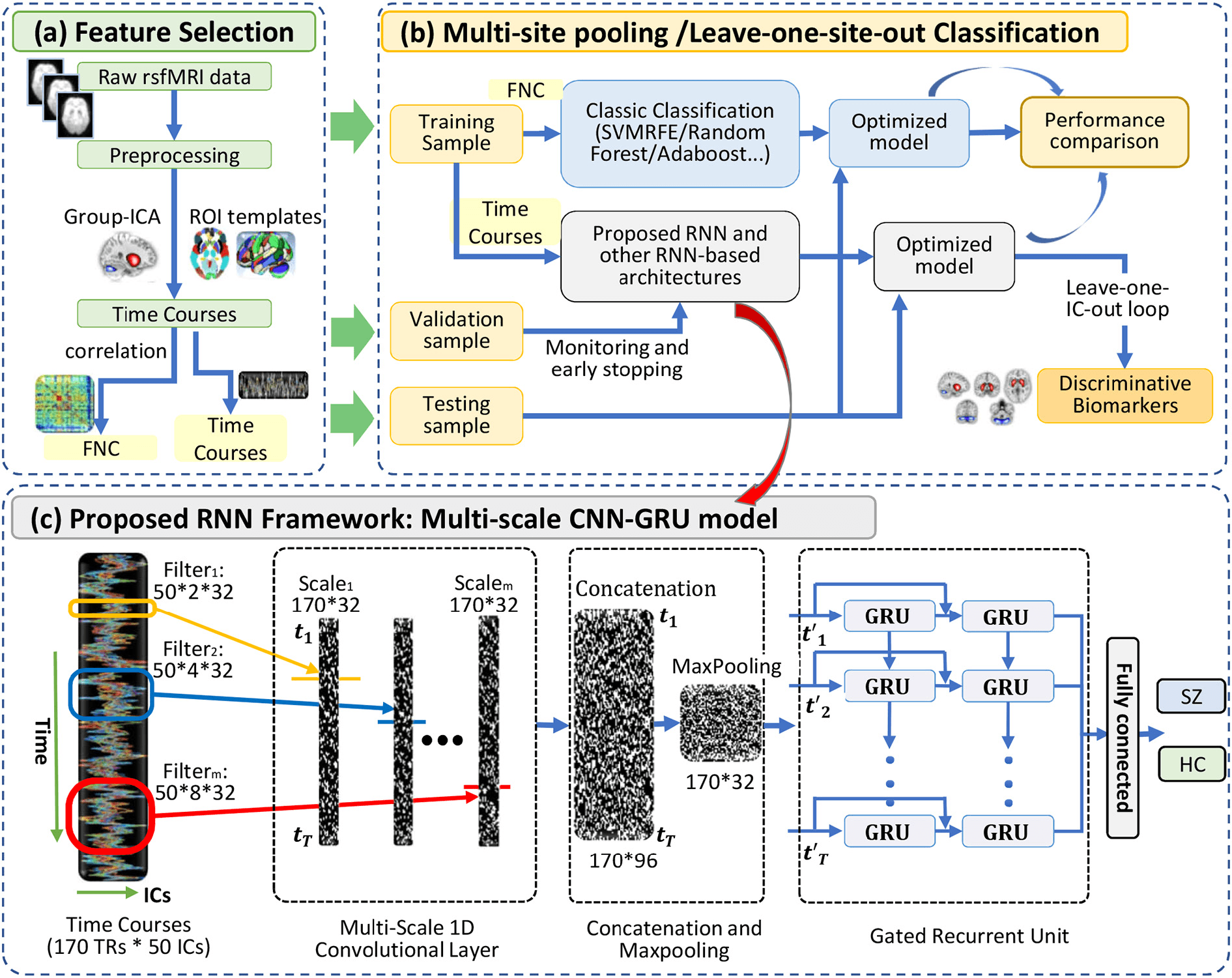
- 7.Discriminating schizophrenia using recurrent neural network applied on time courses of multi-site fMRI dataYan, W., Calhoun, V., Song, M., Cui, Y., Yan, H., Liu, S., Fan, L., Zuo, N., Yang, Z., Xu, K., Yan, J., Lv, L., Chen, J., Chen, Y., Guo, H., Li, P., Lu, L., Wan, P., Wang, H., ... Sui, J.EBioMedicine, 2019
- 8.Deep chronnectome learning via full bidirectional long short-term memory networks for MCI diagnosisYan, W., Zhang, H., Sui, J., Shen, D.MICCAI, 2018
- 9.Discriminating schizophrenia from normal controls using resting state functional network connectivityYan, W., Plis, S., Calhoun, V., Liu, S., Jiang, R., Jiang, T. Z., & Sui, J.IEEE MLSP, 2017
Domain Adaptation Methods for Large-Scale Dataset Analysisclick to expand
- 1.CGDM-GAN: An adversarial network approach with self-supervised learning for site effect removalCui, X., Zhi, D., Yan, W., Calhoun, V. D., Zhuo, C., & Sui, J.IEEE EMBC, 2024
- 2.Maximum classifier discrepancy generative adversarial network for jointly harmonizing scanner effects and improving reproducibilityYan, W., Fu, Z., Jiang, R., Sui, J., & Calhoun, V. D.IEEE Transactions on Biomedical Engineering, 2023
- 3.'Harmless' adversarial network harmonization approach for removing site effects and improving reproducibilityYan, W., Fu, Z., Sui, J., & Calhoun, V. D.IEEE EMBC, 2022
Disease-Risk Prediction in Adolescentsclick to expand
- 1.A brainwide risk score for psychiatric disorder evaluated in a large adolescent populationYan, W., Pearlson, G. D., Fu, Z., Li, X., Iraji, A., Chen, J., Sui, J., Volkow, N. D., & Calhoun, V. D.Biological Psychiatry, 2024
- 2.Triple Interactions Between the Environment, Brain, and Behavior in Children: An ABCD StudyZhi, D., Jiang, R., Pearlson, G., Fu, Z., Qi, S., Yan, W., Feng, A., Xu, M., Calhoun, V. D., & Sui, J.Biological Psychiatry, 2024
Psychopharmacology & Clinical Studiesclick to expand
- 1.Methylphenidate reorganizes cortical hierarchy through dopaminergic modulationTomasi, D., Manza, P., Demiral, Ş. B., Yan, W., Miller, K. B., Veenker, F., Zhao, J., Lildharrie, C., Yonga, M.-V., Abey, S., VanDine, M., Wang, G.-J., & Volkow, N. D.Nature Communications, 2025
- 2.Methylphenidate promotes a frontoparietal-dominant brain state improving cognitive performance: a randomized trialYan, W., Demiral, Ş. B., Tomasi, D., Zhang, R., Manza, P., Wang, G. J., & Volkow, N. D.Journal of Neuroscience, 2025
- 3.Rest-Activity Rhythms, Their Modulators, and Brain-Clinical Correlates in Opioid Use DisorderZhang, R., Manza, P., Demiral, S. B., Tomasi, D., Yonga, M.-V., Yan, W., Shokri-Kojori, E., Schwandt, M., Vines, L., Sotelo, D., Lildharrie, C., Lin, E., Giddens, N. T., Wang, G.-J., & Volkow, N. D.JAMA Network Open, 2025
- 4.Sleep deprivation effects on brain state dynamics are associated with dopamine d2 receptor availability via network control theoryZhang, R., Demiral, S. B., Tomasi, D., Yan, W., Manza, P., Wang, G. J., & Volkow, N. D.Biological Psychiatry, 2025
- 5.Disrupted brain state dynamics in opioid and alcohol use disorder: attenuation by nicotine useZhang, R., Yan, W., Manza, P., Shokri-Kojori, E., Demiral, S. B., Schwandt, M., ... Volkow, N. D.Neuropsychopharmacology, 2024
- 6.Examining the role of dopamine in methylphenidate's effects on resting brain functionTomasi, D., Manza, P., Yan, W., Shokri-Kojori, E., Demiral, Ş. B., Yonga, M. V., ... Volkow, N. D.Proceedings of the National Academy of Sciences, 2023
- 7.A fast online questionnaire for screening mental illness symptoms during the COVID-19 pandemicChen, F., Yan, W. (co-first author), Calhoun, V. D., Yu, L., Chen, L., Hao, X., & Zheng, L.Translational Psychiatry, 2022
Patentsclick to expand
- 1.A method and device for predicting the therapeutic effect of transcranial magnetic stimulation based on deep learning EEG signalsLeilei Zheng, Jihan Fu, Zheng Lin, Weizheng YanChina Patent, 2024
- 2.System and method for mental diagnosis using EEGWeizheng Yan, Vince D. Calhoun, Jing SuiUS Patent, 2022
- 3.A classification method/system based on functional magnetic resonance imagingWeizheng Yan, Jing SuiChina Patent, 2019
- 4.Method and system for predicting infant brain age based on resting-state functional magnetic resonance imagingWeizheng Yan, Jing SuiChina Patent, 2019
Contact
Email: conanywz@gmail.com · Based in Stony Brook, NY